LiBa’s role as a long-running PEVA standard
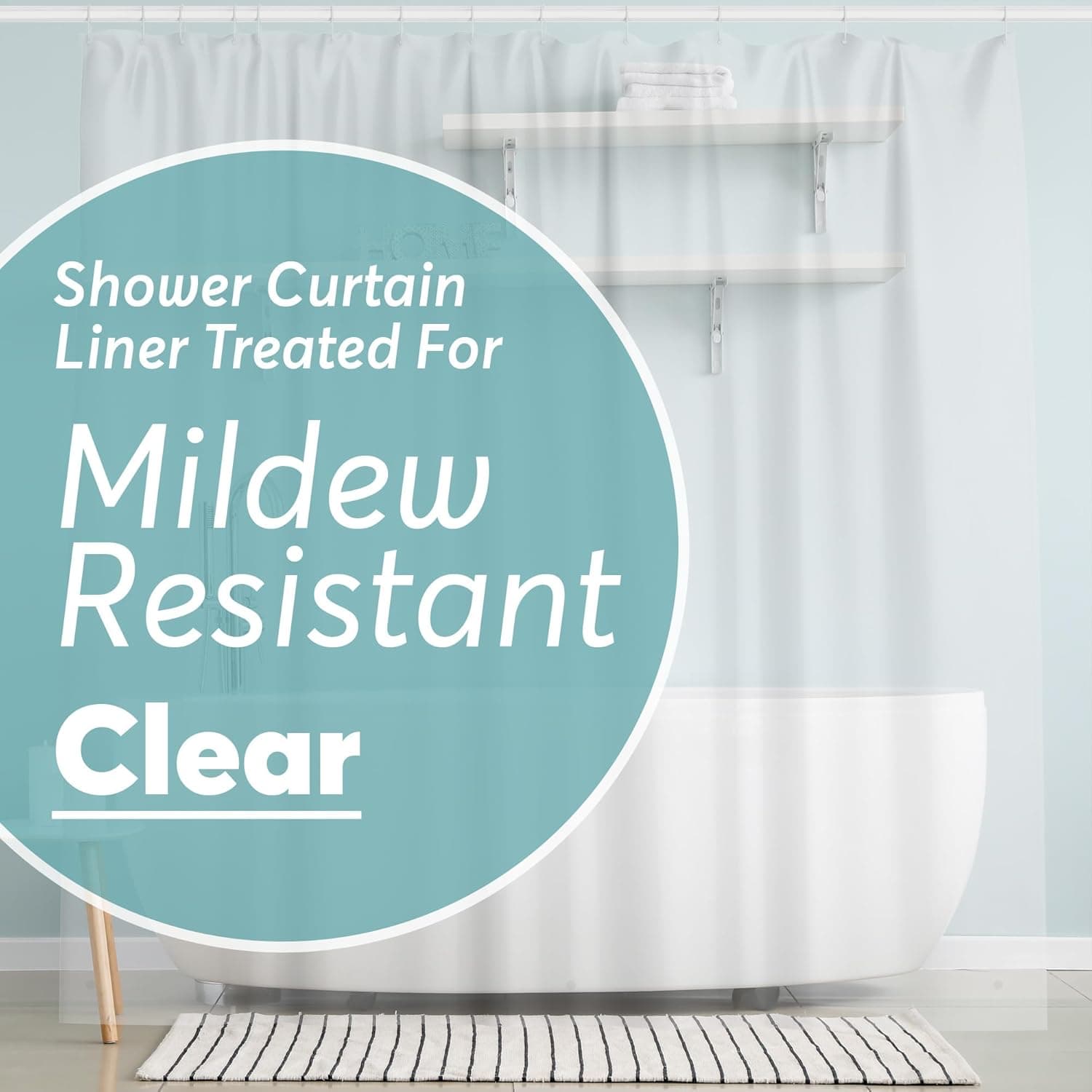
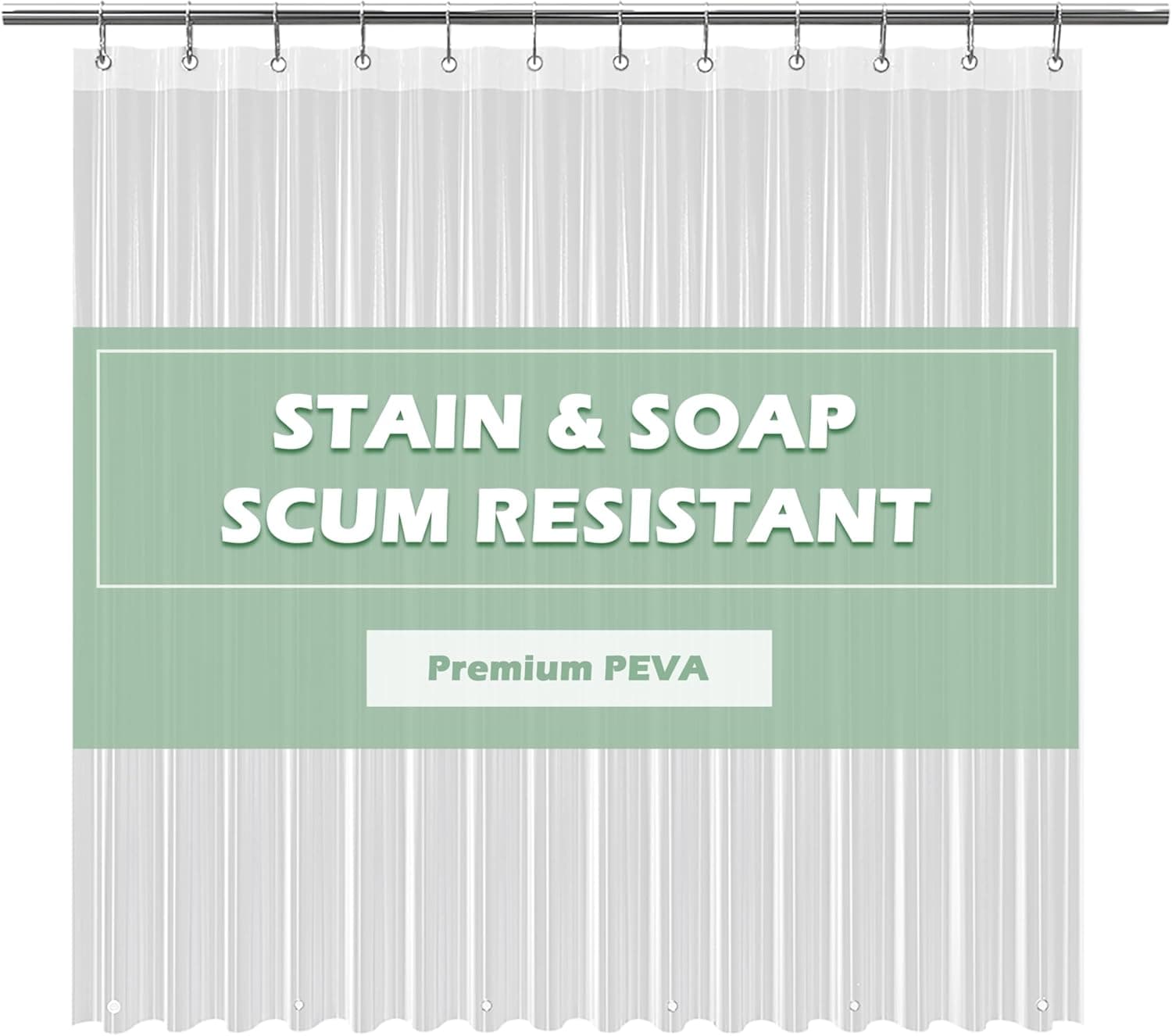
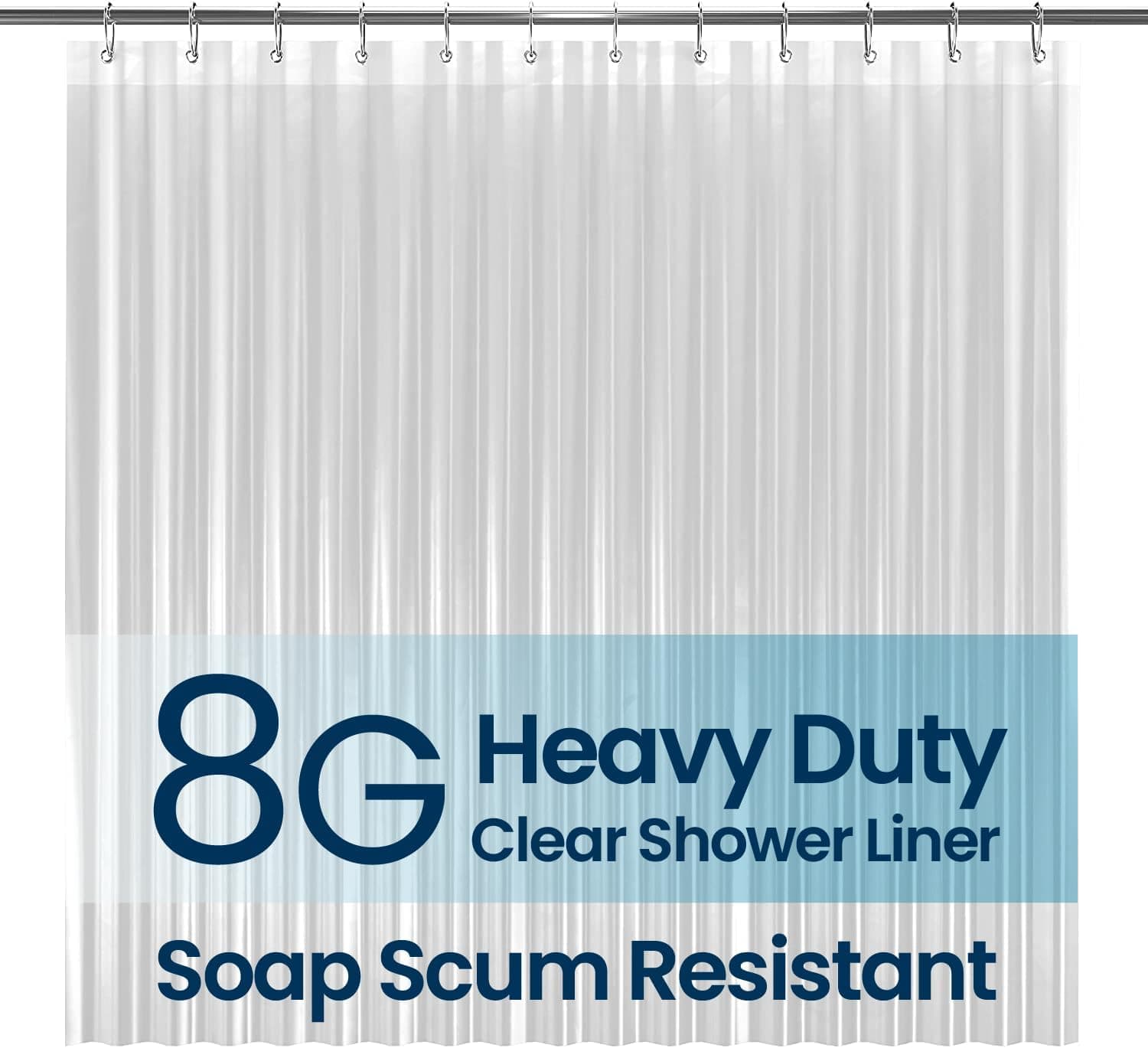
LiBa has sold bathroom liners long enough that many shoppers treat the name as a default when they need a clear, waterproof layer behind a fabric curtain. This 72 by 72 inch PEVA liner targets the standard alcove tub and shower combo found in millions of homes. The brand highlights premium clear material at an 8-gauge thickness, which in liner language usually means a stiffer hand feel than the thinnest budget plastics that crinkle loudly and fold like tissue.
A thicker PEVA panel can hang straighter and resist punctures from rings or accidental snags. You still get transparency, but the sheet is less likely to cling statically to your arm mid-shower. For households that replace liners rarely and want fewer mid-year surprises, that extra body is meaningful.
LiBa also stresses non-toxic positioning for buyers wary of plastic additives. While you should always verify certifications against your own standards, the marketing direction signals an audience of families, renters, and health-conscious homeowners who want a basic liner without drama.
Eight-gauge PEVA: what you feel in use
Gauge numbers confuse people because they are not intuitive like thread count on sheets. In practice, an 8-gauge shower liner feels more substantial when you unbox it, makes less crackling noise when you slide it on the rod, and holds a crease less readily than ultrathin liners. The tradeoff is slightly more weight on the rod, which is fine for sturdy wall-mounted rods but worth checking on tension rods near their weight limit.
Thickness does not eliminate cleaning needs. Soap scum still accumulates; the difference is mechanical durability and how the liner behaves in a drafty bathroom. If your vent fan is weak, a stiffer liner that does not collapse into wet folds can dry faster along its vertical faces, though you still must separate it from an outer curtain to air out.
When comparing LiBa to thinner clear liners, think about how often the shower is used and how rough daily handling is. Teenagers, large dogs being rinsed in the tub, and frequent hook adjustments all stress the header holes. A slightly heavier film pairs well with rust-proof grommets to spread that stress.
Rust-proof grommets and header longevity
The top edge of a shower liner fails when grommets tear out or rust stains bleed onto the plastic. LiBa advertises rust-proof grommets to survive steamy environments where cheap metal eyelets oxidize and weaken the surrounding PEVA. Stainless or coated grommets also look cleaner on a clear header, which matters if your rod is decorative and visible.
Use hooks with smooth ends and consistent diameter. Mismatched hooks that pinch or cut into the hole accelerate tearing even with metal reinforcement. If you hear ripping when opening the curtain, stop and inspect each hole; early replacement of a single bad hook is cheaper than replacing the whole liner.
When installing, space hooks evenly so the liner’s weight distributes across all grommets instead of loading only the center few. Uneven loading is a common hidden reason liners fail on one side first while the other still looks new.
Waterproof performance and tub geometry
Waterproof here means the PEVA film blocks liquid passage under normal shower spray. It does not mean your bathroom stays dry if the liner is too short, if the rod sags, or if you leave a gap at the curtain split. LiBa’s standard sizing fits typical installations when the rod is mounted at conventional height above the tub.
Corner tubs and angled doors may need you to overlap the liner extra at the sides or add a splash guard clip on the wall. The liner handles the central curtain plane; tile and glass still do perimeter work. Run a quick splash test after install: stand outside the tub and watch the floor during a two-minute shower.
Pairing with a fabric outer curtain remains the classic setup. LiBa on the inside, cotton or polyester blend on the outside, both on separate hooks. That separation keeps the pretty curtain dry and lets you wash fabric on its own schedule while wiping or replacing plastic on a faster cadence.
Care, odor, and replacement planning
LiBa’s non-toxic and odor-resistant claims appeal to buyers who have returned other liners that smelled strongly for weeks. Air the liner out after opening the package by hanging it fully extended in the bathroom with the fan on. Most PEVA odors dissipate quickly; persistent smell may indicate a manufacturing issue worth exchanging.
Clean with mild products first. Abrasive pads scratch clear plastic and create microscopic grooves where mildew holds on. If machine washing, cool water and air drying preserve grommets better than hot dryer drums. Store a spare liner flat or rolled loosely, not sharply folded in a hot closet.
Plan replacement on usage, not calendar alone. A single adult might get a year; a family of five might swap every season. Because LiBa sits in the value-premium pocket of the market, many buyers keep two on hand—one in service, one ready—so a failed grommet never leaves you without a barrier midweek.
Is LiBa the right liner for your bathroom
Choose LiBa when you want a clear, thicker PEVA liner with reinforced metal holes and a reputation for being the straightforward option in a crowded category. It fits renters who need a neutral layer, homeowners refreshing a guest bath, and anyone replacing a crinkly thin liner that will not stay still.
Skip it if you need extra-long dimensions, if you want fabric against your skin, or if your tub requires a weighted hem with multiple magnets and LiBa’s spec for your SKU does not include them—always read the current listing details for magnet features on the exact model you buy.
In a four-liner comparison, LiBa often wins shoppers who prioritize material heft and grommet quality over the lowest possible price. It is the workhorse clear liner: not flashy, but built for the repetitive job of keeping water where the drain can catch it.