Understanding the African Net Sponge Tradition
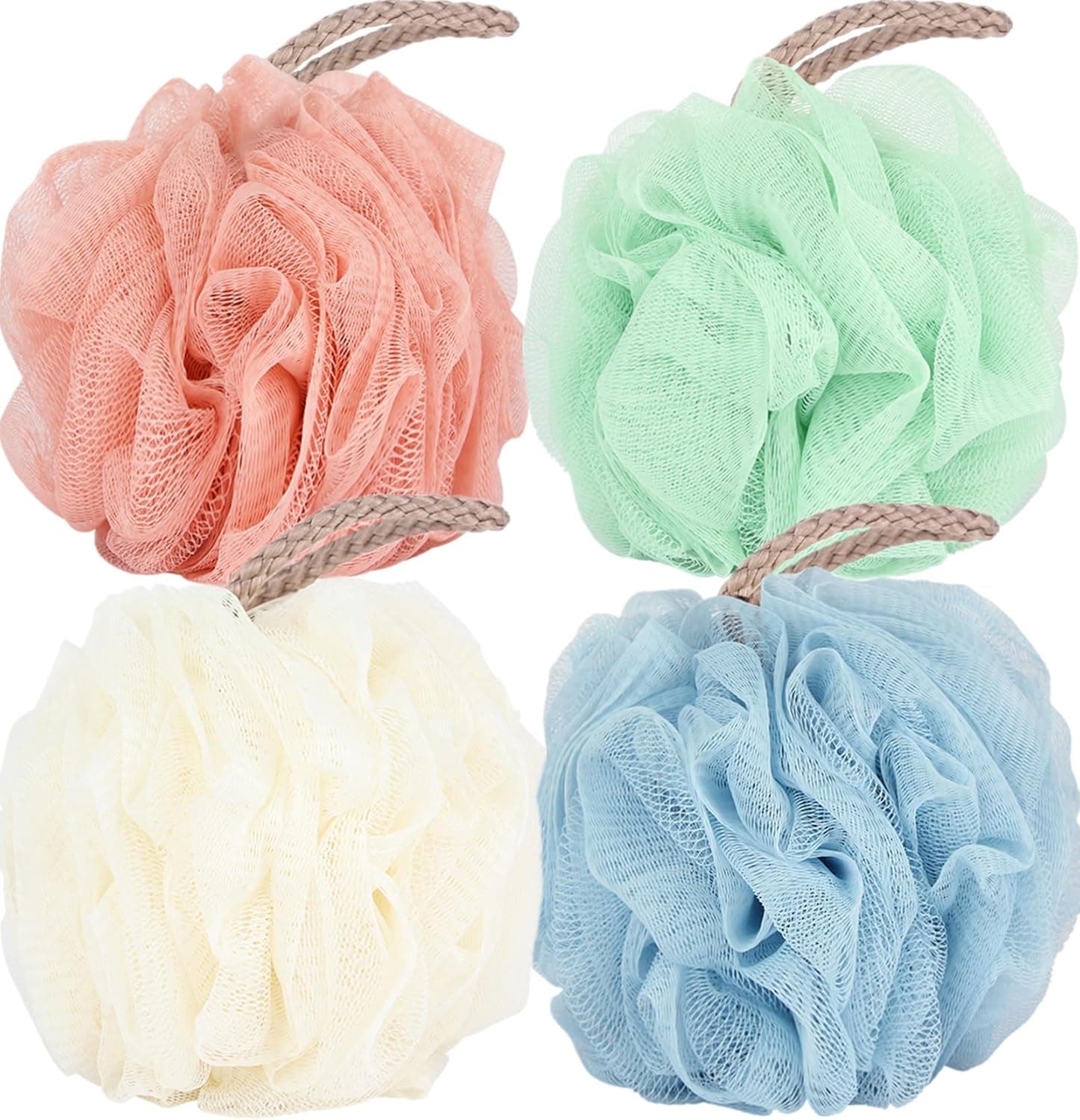
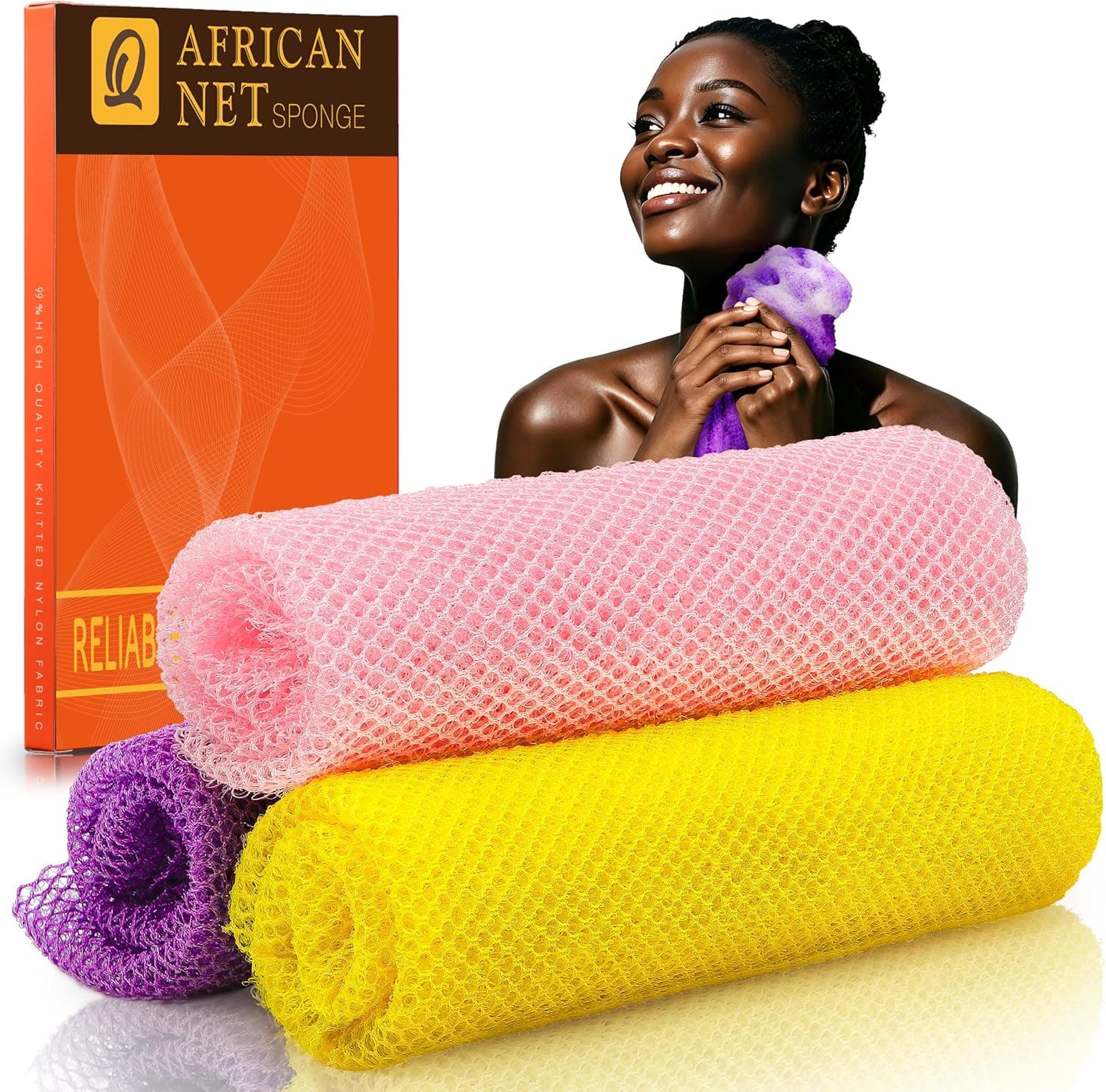
Long net bath sponges, often called African bath sponges or sapo nets, have been used for generations because they combine reach, lather, and exfoliation in one lightweight tool. Unlike a rigid loofah pad, the net opens wide, dries quickly, and flexes around shoulders, back, and legs without requiring awkward twisting. The UJFQBH three-piece set gives you separate colors so family members can keep individual sponges or so you can rotate while one dries.
Each sponge arrives as a compact mesh tube that expands when wet. That expansion is intentional: more surface area contacts skin, which helps body wash distribute evenly and turns a small amount of product into rich foam. If you have only used poufs or flat washcloths, the first few uses feel different because the net glides and scrubs at the same time rather than only wiping.
Exfoliation Without Harsh Scratching
Effective exfoliation removes dead skin cells and helps body lotions absorb, but aggressive tools can irritate sensitive or dry skin. Net sponges sit in a middle ground: the mesh texture provides noticeable scrubbing, yet the material has give, so pressure controls intensity. Light pressure on arms and legs smooths texture; firmer pressure on elbows, knees, and heels addresses buildup that a soft cloth leaves behind.
Because the UJFQBH listing emphasizes daily use, think of this as maintenance exfoliation rather than a once-a-month peel. Daily does not mean aggressive. Short, consistent sessions prevent the thick, dull layer that makes skin look ashy, especially in winter when indoor heat dries the air. Follow with moisturizer while skin is still slightly damp to lock in hydration.
Reaching Your Back and Full Body Easily
The elongated net design exists primarily to solve the back problem. Holding one end in each hand, you can saw gently across the upper back, mid back, and lower back without a brush on a stick or asking for help. The net length also helps when applying soap to calves and feet from a standing position in the shower, which matters for anyone with limited flexibility.
In a three-pack, keep one sponge dedicated to back and torso, another for legs and feet, and a third as backup or for travel. Color coding by person reduces cross-contamination concerns in shared households. Pink, yellow, and purple variants in this set make identification instant at a glance on a shower hook.
Lather, Soap Economy, and Shower Technique
Mesh nets are famously efficient with liquid body wash. Add a dime- to quarter-sized amount depending on body size, work the sponge until foam builds, then add water gradually if you need more slip. Bar soap users can place the bar inside the net or rub the bar across the wet mesh; either approach increases lather compared to using the bar alone on skin.
Rinse the sponge thoroughly after each shower, squeeze out water, and hang it in airflow. Nets that stay balled up in a corner develop mildew odor faster than those that dry open. If foam ever smells off despite rinsing, boil-safe practices vary by brand; for inexpensive nets, replacement on a schedule of every few months is often simpler than deep disinfecting.
Durability, Replacement Cycle, and Value
No bath sponge lasts forever. Friction, oils, and chlorine slowly break down mesh fibers until the net feels limp or develops holes. The advantage of a three-piece bundle is cost per sponge and convenience: when one wears out, you are not rushing to reorder before your next shower. Treat three months as a reasonable inspection point; replace earlier if the mesh tears or odor persists after drying.
Compared to natural loofah, synthetic nets rarely shed woody debris in the drain and do not stay damp as long when hung properly. Compared to silicone scrubbers, nets feel more traditional and produce more foam with less product. The UJFQBH set targets shoppers who want an exfoliating upgrade without investing in motorized brushes or spa-priced tools.
Skin Types and Household Sharing Tips
Normal and oily skin types often love net sponges for the clean, polished feel after a shower. Dry or eczema-prone skin should use lighter pressure and pair exfoliation with fragrance-free wash. Avoid sharing one sponge between people with active skin infections or open wounds; inexpensive multipacks make individual assignment easy.
Teens learning independent hygiene habits benefit from a tool that feels modern and reaches everywhere. Adults with athletic routines may use the net after workouts to rinse sweat and sunscreen residue more thoroughly. As part of a comfort-focused bathroom kit alongside mats, hair wraps, and tub accessories, these sponges complete the body-care side of the ritual with minimal storage footprint.